Horticultural Biotechnology and Breeding
The Working Group Horticultural Biotechnology and Breeding focuses on advancing and applying breeding methods and biotechnological tools to horticultural crops. These include fruits, vegetables, ornamentals, and medicinal and aromatic plants, all of which are vital for nutrition, health, economic development, and food security. Rising environmental variability, new pests and diseases, and changing production systems make innovation in crop improvement more important than ever.
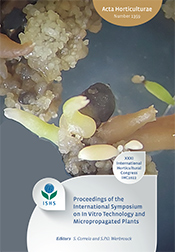
The Working Group brings together specialists in both traditional and modern breeding approaches. Key areas include developing improved cultivars, using marker-assisted and genomics-assisted breeding, doubled haploid technology, among many others. Plant tissue culture is a central focus, covering micropropagation, somatic embryogenesis, organogenesis, protoplast culture, and in vitro germplasm conservation. Tissue culture enables cloning of elite genotypes, virus elimination, preservation of rare or endangered species, and preparation of material for advanced breeding programs.
The Working Group also supports emerging tissue culture innovations, such as temporary immersion bioreactors for automated micropropagation, synthetic seed technology for storage and distribution of germplasm, and cryopreservation of sensitive or endangered material. These approaches help accelerate breeding programs, conserve genetic resources, and integrate modern biotechnologies into horticultural practice.
Members contribute to research on genetic architecture, reproductive biology, stress adaptation, product quality, and consumer-focused traits. Biotechnology provides powerful tools to improve breeding efficiency, including genomics, transcriptomics, metabolomics, bioinformatics, and precision phenotyping. The Working Group also addresses regulatory, ethical, and societal considerations, ensuring responsible use of new technologies.
Activities include organizing international symposia, promoting scientific exchange, and publishing results in Acta Horticulturae. The Working Group actively collaborates with other Working Groups within Division Plant Genetic Resources, Breeding and Biotechnology and with other ISHS Divisions to foster interdisciplinary approaches and integrated solutions for horticultural research and innovation.
By combining innovation, collaboration, and sustainability, the Working Group Horticultural Biotechnology and Breeding supports the development of resilient, productive, and high-quality horticultural crops that benefit growers, consumers, and society worldwide.
Dept Life Sciences, University of Coimbra
Calcada Martim de Freitas
3000-456 Coimbra
Portugal